Cart
0

Natural Deodorant South Africa: Your First 30 Days Guide

You've decided to make the switch to natural deodorant. Brilliant choice. But if you're anything like most people, you're probably wondering what you've gotten yourself into. Will you smell? Will it even work? What's this "detox period" everyone keeps mentioning?
Here's the honest truth: switching to a natural deodorant in South Africa isn't always smooth sailing in the first week, but it's nowhere near as dramatic as the internet would have you believe. This guide walks you through exactly what to expect in your first 30 days, how to make the transition easier, and which mistakes to avoid along the way.
Why People Are Switching to Natural Deodorant
The natural deodorant market has exploded recently, and it's not just a trend. More South Africans are reading ingredient lists, asking questions, and making conscious choices about what they put on their skin.
But let's be clear about why people are making the switch. It's not because aluminium in conventional deodorants is dangerous. Research from 2022 confirms that aluminium-containing antiperspirants are not associated with breast cancer, despite persistent myths. The American Cancer Society has also stated there's no conclusive link between aluminium-based products and cancer.
So if aluminium isn't the problem, why switch?
For many people, it's about simplicity. Natural deodorants typically contain fewer ingredients, all of which you can actually pronounce. It's about supporting small-batch, local brands. It's about choosing products that work with your body rather than against it.
And honestly? Sometimes it's just about finding something that doesn't irritate your skin.
The Difference Between Deodorant and Antiperspirant

Before we go further, let's clear up a common confusion. Deodorant and antiperspirant aren't the same thing, and understanding the difference matters when you're making the switch.
Antiperspirants block your sweat glands using aluminium compounds. They literally prevent you from sweating. You stay dry, and because there's less moisture, there's less odour.
Deodorants don't stop sweat. Instead, they target the bacteria that make sweat smell bad. They neutralise odour without interfering with your body's natural cooling system.
When you switch to a natural deodorant, you're switching from blocking sweat to managing odour. This means you'll sweat more than you did with an antiperspirant, especially at first. That's completely normal and nothing to worry about.
Your body needs to sweat. It's how you regulate temperature and release toxins through your skin. Natural deodorants let that process happen while keeping you smelling fresh.
Week 1: The Adjustment Period
Let's talk about what actually happens in your first week. You've probably heard horror stories about the "detox period," so here's the reality.
What you might experience:
- More noticeable sweating (especially if you used antiperspirant before)
- Stronger odour than usual, particularly on days 3-7
- Possible sensitivity or tingling if your deodorant contains baking soda
- Need to reapply during the day
What's actually happening: Your sweat glands, previously blocked by aluminium, are opening up and producing more sweat. Your skin's bacterial balance is also shifting as it adjusts to the new product.
This isn't "detoxing" (that's not how your body works), it's just adjustment. Your armpits have gotten used to one way of managing moisture and odour, and now they're learning a new way.
How to make it easier: Apply your natural deodorant to completely dry skin. If you're still damp from the shower, the deodorant won't adhere properly and won't work as well.
Keep your deodorant in your bag for the first week. Reapplying midday is normal during the adjustment period.
Wear breathable fabrics like cotton. Synthetic materials can trap moisture and make odour worse.
Exfoliate your armpits gently once or twice this week. Dead skin cells can harbour bacteria and contribute to odour.
Week 2: Finding Your Rhythm
By week two, things typically start to settle. Your body's adjusting, and you're learning how much product you actually need.
Common questions at this stage:
"How much should I apply?" Less than you think. Natural deodorants are concentrated. For cream or paste formulas, a pea-sized amount per armpit is plenty. For sticks, 2-3 swipes. More isn't better, it just leaves residue on your clothes.
"When should I apply it?" Right after your shower, once your skin is completely dry. Some people find applying at night (after an evening shower) works even better than morning application.
"How long before it works?" Good-quality natural deodorants start working within 5-10 minutes of application. If you're noticing odour right away, you might not be using enough, or your skin might still be damp.
What to watch for: If you're experiencing persistent redness, itching, or a rash, your deodorant might contain baking soda, which some people find irritating. According to research on sodium bicarbonate in cosmetics, while baking soda is effective for odour control, it can cause skin irritation in some users due to its alkaline pH.
This doesn't mean natural deodorant won't work for you. It just means you need a formula without baking soda, or one with a lower concentration.
Week 3: The Sweet Spot
This is usually when people start to really settle into their new routine. Your body's adapted, you've figured out your application technique, and you're noticing the benefits.
You might find:
- Less sweating overall than in week one (though still more than with antiperspirant)
- Consistent odour control throughout the day
- Your clothes smell fresher because you're not blocking pores
- Less skin irritation than you had with conventional deodorant
Interesting observation: Many people report that natural deodorant actually works better over time. Why? Your skin's microbiome (the helpful bacteria on your skin) stabilises when you stop disrupting it with harsh chemicals. A balanced microbiome means less odour-causing bacteria.
This is one of the benefits conventional deodorants can't offer. They kill all bacteria indiscriminately, which can actually make the problem worse in the long run.
Week 4: You're Officially Converted
By week four, most people have fully adjusted. The sweating has normalised, the odour control is reliable, and you've found your rhythm.
Tips for long-term success:
Store properly. Natural deodorants can melt in heat. Keep yours in a cool, dark place. If it melts, just pop it in the fridge to re-solidify.
Wash your clothes properly. Bacteria can build up in fabric. Make sure you're washing your clothes thoroughly, especially workout gear.
Listen to your skin. If a formula stops working or starts irritating, it's okay to switch. Your body changes, and what worked in winter might not work in summer.
Keep it clean. Apply to clean, dry skin for best results. If you're reapplying during the day, use a damp cloth to wipe your underarms first.
Choosing the Right Natural Deodorant for South African Skin
South African weather presents unique challenges. Intense heat in summer, dry winters inland, humidity along the coast. Your deodorant needs to handle it all.
What to look for:
Effective odour-neutralisers. Natural ingredients like baking soda, magnesium hydroxide, or zinc ricinoleate work by neutralising the acids in sweat that cause odor.
Moisture absorbers. Arrowroot powder, cornstarch, or kaolin clay help keep you dry without blocking sweat glands.
Antimicrobial ingredients. Essential oils like lavender, tea tree, cedarwood, and grapefruit naturally combat odour-causing bacteria.
Skin-soothing components. Coconut oil, shea butter, or jojoba oil keep skin moisturised and prevent irritation.
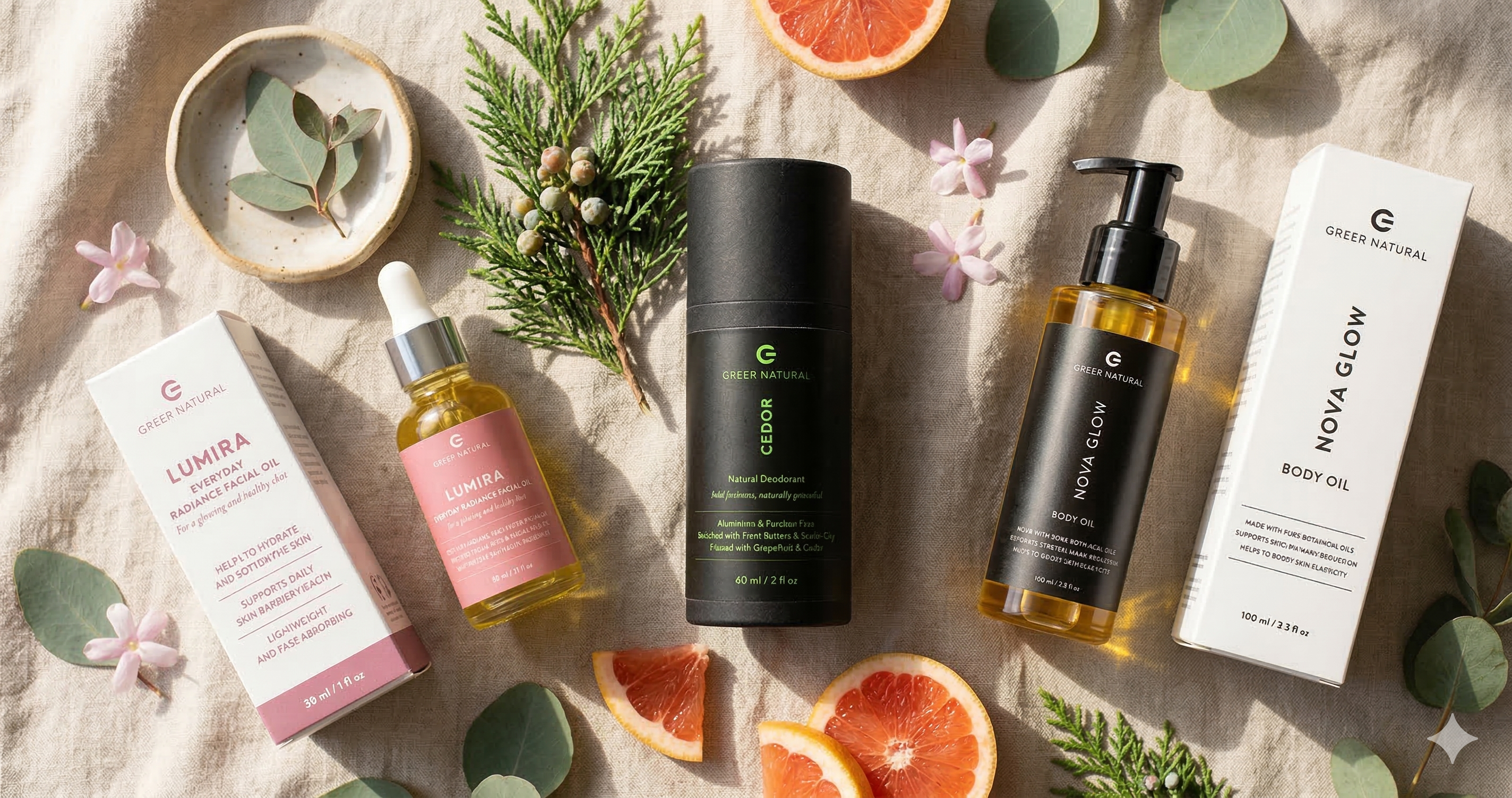
Cedor Natural Deodorant combines grapefruit and cedarwood essential oils for a fresh, energising scent with powerful odour protection. The grapefruit provides natural antibacterial properties while cedarwood offers grounding, long-lasting freshness.
For something lighter and more floral, Citrine Natural Deodorant blends lemon and lavender for a clean, calming scent. Lavender soothes skin while lemon provides natural antimicrobial benefits.
Both are handcrafted in small batches in South Africa, formulated specifically for our climate, and free from aluminium, parabens, and synthetic fragrances.
Common Mistakes That Sabotage Natural Deodorant
Applying to damp skin. This is the biggest mistake people make. Natural deodorants need dry skin to adhere properly. Wait at least 5 minutes after showering before applying.
Using too much. More product doesn't mean better protection. It just means residue on your clothes and potential irritation.
Giving up too soon. The adjustment period is real, but it typically only lasts 1-2 weeks. If you switch back to conventional deodorant every time you smell a bit off, you'll never adjust.
Not addressing the root cause. If you're noticing strong body odour despite using deodorant, look at other factors. Diet (particularly processed foods, alcohol, and spicy foods) can affect body odour. Hydration matters too. Stress sweat smells different than exercise sweat. Sometimes the issue isn't your deodorant.
Expecting antiperspirant results. Natural deodorant won't stop you from sweating. If you expect to stay completely dry, you'll be disappointed. The goal is odour control, not sweat prevention.
The Baking Soda Situation
You'll notice some natural deodorants proudly proclaim they're "baking soda free" while others include it as a key ingredient. What's the deal?
Baking soda (sodium bicarbonate) is incredibly effective at neutralising odour. It's alkaline, which means it neutralises the acidic compounds in sweat that smell bad. Many people use it with zero issues.
However, some people experience irritation because baking soda's high pH can disrupt your skin's natural acid mantle (which sits around pH 5.5). This can cause redness, itching, or a rash.
If you've tried a natural deodorant with baking soda and experienced irritation, don't assume natural deodorant isn't for you. Try a formula without baking soda, or one with a lower concentration. Alternatives like magnesium hydroxide or zinc ricinoleate can be just as effective without the irritation.
Signs baking soda might not work for you:
- Redness or rash within days of starting use
- Burning or stinging sensation when you apply it
- Darkening of the underarm skin over time
- Persistent irritation that doesn't improve
What to do if this happens: Stop using the product immediately. Give your skin a few days to recover. Then try a baking soda-free formula. The irritation should clear up quickly once you stop using the problematic product.
What About Sweating More?

Let's address the elephant in the room. Yes, you'll probably sweat more when you switch to natural deodorant, especially if you were using an antiperspirant before.
This is normal and healthy. Sweating is your body's natural cooling system. Blocking it isn't without consequence. Some research suggests that long-term use of aluminium-based antiperspirants may have effects on skin health, though more research is needed.
Here's what helps:
Wear breathable fabrics. Natural fibres like cotton, linen, and bamboo allow moisture to evaporate. Synthetic materials trap sweat against your skin.
Layer smartly. An undershirt can absorb sweat before it reaches your outer clothing.
Stay hydrated. Paradoxically, drinking more water can actually reduce sweat's odour. When you're dehydrated, your sweat is more concentrated.
Manage stress. Stress sweat (from your apocrine glands) smells different than temperature-regulation sweat (from your eccrine glands). Managing stress can reduce the type of sweat that smells worst.
After a few weeks, most people find their sweating normalises to a healthy level, less extreme than the initial adjustment period.
Building a Fresh Routine
Beyond just using natural deodorant, a few simple habits can make a massive difference in staying fresh.
Shower regularly (obviously), but pay special attention to your underarms. Dead skin cells and bacteria build up there more than elsewhere.
Exfoliate weekly. A gentle scrub removes dead skin cells that harbour bacteria. This isn't about harsh scrubbing, just a light exfoliation with a soft brush or cloth.
Trim or shave if you prefer. Hair traps moisture and bacteria. If you notice odour is worse with hair, consider trimming. But this is personal preference, not a requirement.
Wash clothes properly. Bacteria can survive in fabric, especially synthetic workout gear. Make sure you're washing thoroughly, and consider adding white vinegar to your wash occasionally to kill odour-causing bacteria in clothes.
Watch your diet. What you eat affects how you smell. Processed foods, excessive alcohol, garlic, and onions can all make body odour stronger. You don't need to eliminate these foods, just be aware.
Signs Your Natural Deodorant Is Working
How do you know if you've found the right one? Look for these indicators over your first month:
- Odour control that lasts 12+ hours
- No irritation, redness, or rash
- Comfortable application (not too sticky, not too dry)
- Doesn't stain your clothes
- Scent you actually enjoy (or unscented if you prefer)
- Skin feels healthier, not irritated
If you're experiencing persistent problems after a full month, it might be time to try a different formula. Not every natural deodorant works for everyone, and that's okay. The right one is out there.
Making Peace with Sweat
Here's something worth understanding: sweat itself doesn't smell. It's bacteria on your skin breaking down sweat that creates odour.
A natural deodorant targets those bacteria rather than blocking the sweat. This approach works with your body's natural processes rather than fighting against them.
Will you sweat? Yes. Will you smell? Not if you're using a good natural deodorant and following basic hygiene practices.
The goal isn't to eliminate sweat entirely (which isn't even healthy), it's to manage odor while letting your body function normally.
Supporting Local, Choosing Quality
There's something special about natural deodorants made in South Africa. Local brands understand our climate, our active lifestyles, and the unique challenges we face.
Small-batch production means quality control and freshness. These products haven't been sitting in warehouses for months. The ingredients are carefully sourced, and the formulations are tested in real South African conditions.
When you choose local natural skincare, you're not just getting a product. You're supporting small businesses, reducing your environmental impact (shorter supply chains), and getting a formula designed for your specific needs.
Ready to Make the Switch?
The first 30 days with natural deodorant are an adjustment, but they're nowhere near as difficult as the horror stories suggest. Most people transition smoothly within 2 weeks and wonder why they didn't make the switch sooner.
Choose a quality formula that suits your skin type. Be patient during the adjustment period. Give your body time to adapt. And remember that sweating is normal and healthy.
If you're ready to try natural deodorant that's handcrafted in South Africa, explore Cedor Natural Deodorant for an energising grapefruit and cedarwood blend, or Citrine Natural Deodorant for a calming lemon and lavender combination. Both offer effective, aluminium-free protection formulated for South African conditions.
Questions about making the switch? Get in touch – we're always happy to help you find the right natural deodorant for your needs.